
He did it again. Of course he did.
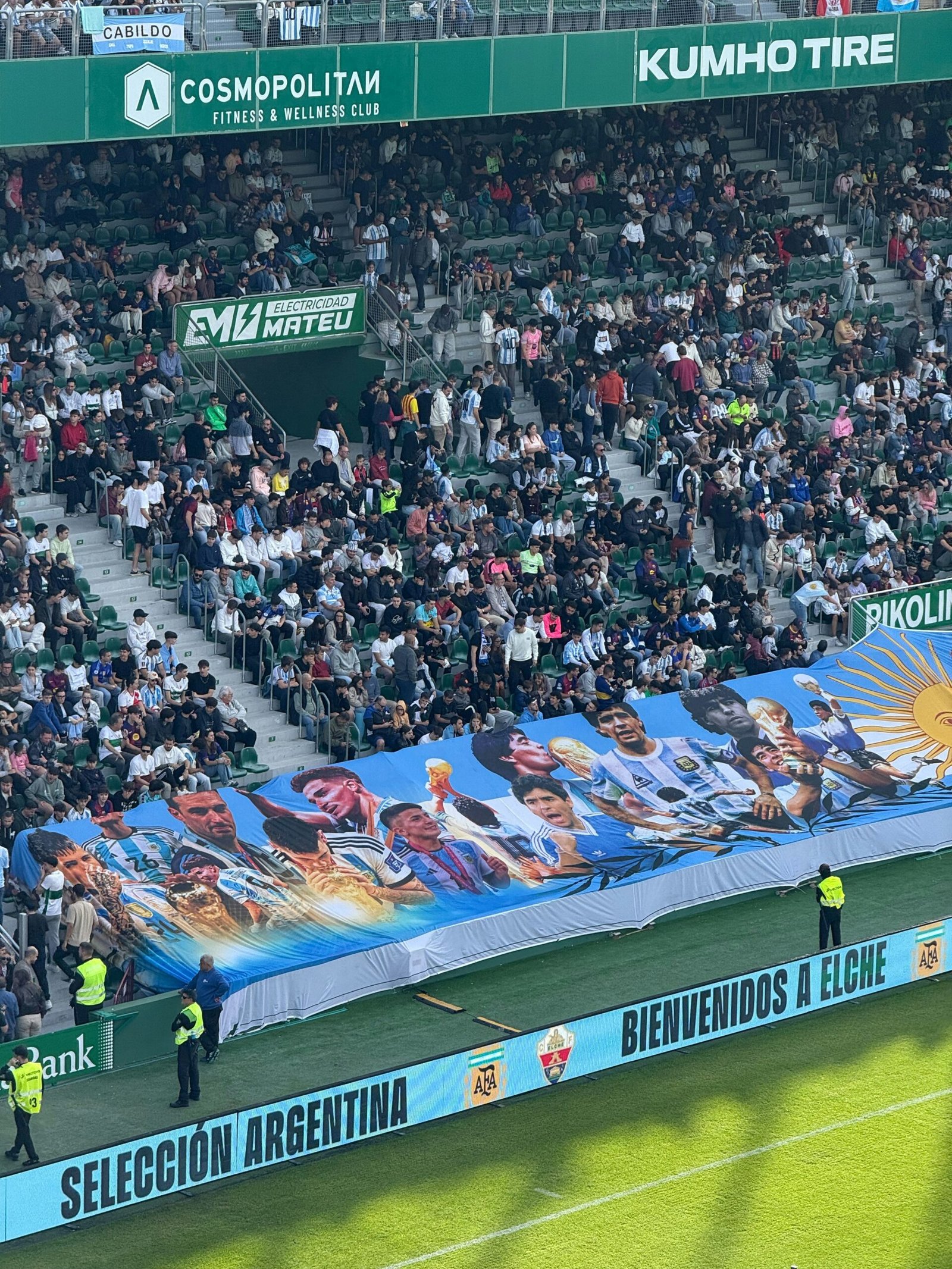
Lionel Messi scored his 20th World Cup goal on Friday night at Miami Stadium as Argentina survived one of the most dramatic matches of the entire tournament — beating Cape Verde 3-2 after extra time in their Round of 32 tie.
It was not easy. Not even close. But Messi delivered when it mattered most. As always.
Here at GameDay, we break down every moment of a wild night in Miami — and explain why this performance adds yet more evidence to the case that the GOAT debate is already settled.
A Wild Night in Miami — Match Report
Argentina were heavy favourites. Some bookmakers had them at odds of 1/35 — meaning you would need to bet $3,500 just to win $100. So when Messi broke the deadlock in the 29th minute, most people expected the floodgates to open.
Lisandro Martínez lofted a long ball over the top of the defence to the feet of Messi. The 39-year-old took a touch with the outside of his left boot and buried it into the roof of the net. That was his seventh goal of the tournament. That was his 20th World Cup goal in history. That was the moment he became the greatest World Cup scorer — man or woman — in the history of the competition.
However, Cape Verde had other ideas.
Deroy Duarte equalised just before the hour mark. The Blue Sharks held on to send the match into an additional half hour. Then Lisandro Martínez seemed to settle it early in extra time with a stunning strike into the roof of the net. But Cape Verde equalised again — left back Sidny Lopes Cabral curled a beautiful shot into the top corner in the 103rd minute to make it 2-2 and stun the 64,478 inside Miami Stadium.
Finally, in the 111th minute, Messi swung in a corner. Cristian Romero rose highest. The ball deflected off Cape Verde’s Diney Borges and crept into the net. Argentina were through — barely — with a 3-2 win.
The Records Messi Broke in One Night
One goal. Five records. At 39 years old.
First, Messi scored his 20th career FIFA World Cup goal — the most by any man or woman in World Cup history. That extends a record he already held. Kylian Mbappé is second with 18 goals.
In addition, Messi became the first player in FIFA World Cup history to score in eight consecutive appearances. Eight. Consecutive. World Cup matches. That streak now stretches back to the 2022 World Cup in Qatar.
Furthermore, Messi now has 12 career goal contributions in the FIFA World Cup knockout stage — passing both Pelé and Mbappé for the most in the last 60 years. He has now scored against 14 different opponents at World Cups — another all-time record.
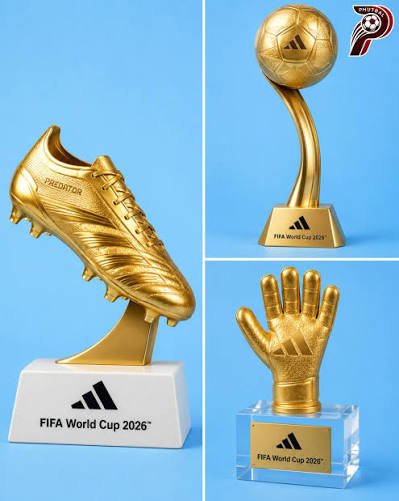
As a result, he leads the 2026 Golden Boot race with seven goals. Mbappé sits one behind on six. This race is going all the way to the final.
Cape Verde: Magnificent in Defeat
It would be wrong to tell this story without honouring Cape Verde. They were extraordinary.
Goalkeeper Vozinha made eight saves — five of them against Messi alone. That included keeping out a Messi free kick in the 72nd minute that most goalkeepers on the planet would not have stopped. For a 40-year-old playing in his first World Cup, it was a performance that will live long in the memory.
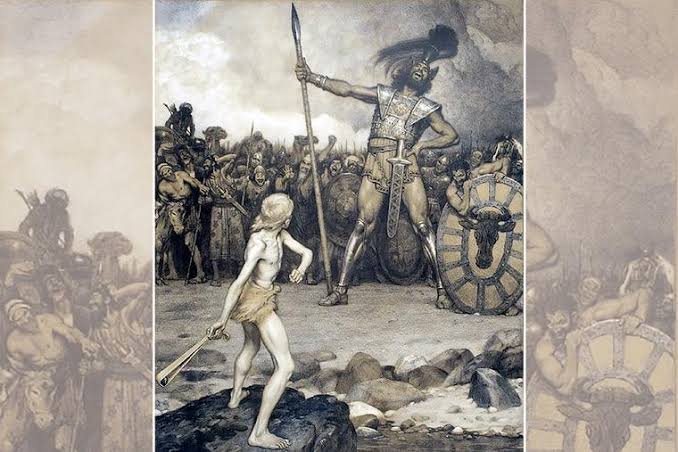
If Argentina had lost, it would have been the largest upset in a World Cup knockout game since at least 1994 by FIFA ranking. Cape Verde are ranked 67th in the world. Argentina are ranked first. Yet they pushed the defending world champions all the way to the 111th minute.
We covered Cape Verde’s incredible journey in full here on GameDay. Their story is not over — even though their tournament is. Check our full feature: Cape Verde vs Argentina: The Ultimate David vs Goliath.
What This Means for the GOAT Debate
So where does this leave the greatest debate in football?
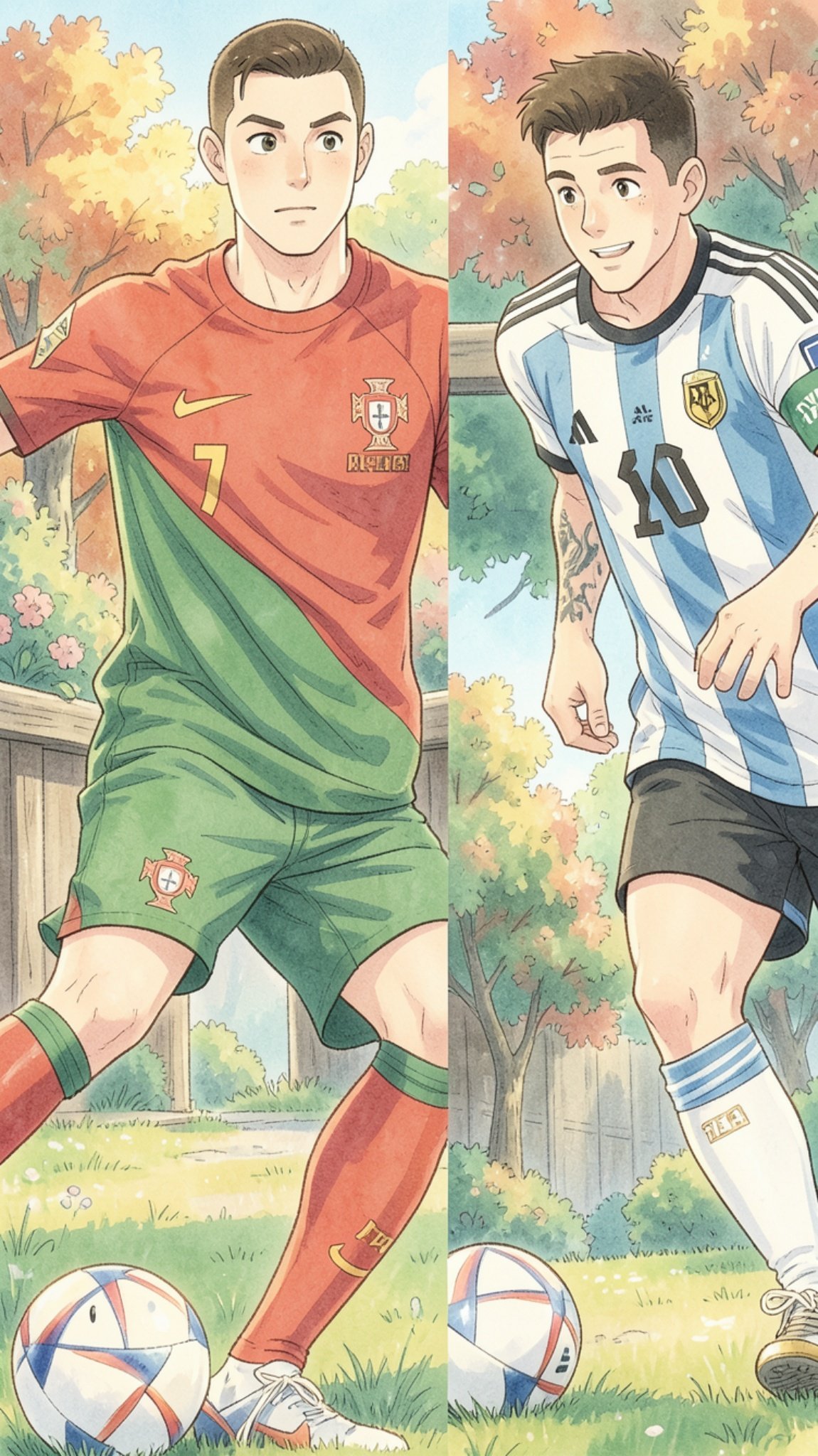
We have already written a full breakdown of the Messi vs Ronaldo legacy on GameDay. But every time Messi takes the field at this World Cup, the case gets stronger and stronger. If you have not read it yet, check it here: Messi vs Ronaldo: The Final Chapter — Legacy and Records.
Consider this: Ronaldo has 10 World Cup goals across six tournaments. Messi now has 20. That is double. At the same tournament. In the same era. With the same number of appearances.
On top of that, Messi played 120 minutes against Cape Verde at the age of 39. He had a goal, an assist, nine total shots, and was Argentina’s best player throughout. His coach Lionel Scaloni said after the match: “As this team has demonstrated many times, and as I’ve said many times, it competes. And we competed to the end.”
That line applied to both Argentina and Messi himself. Even at 39. Even against a team fighting for their lives. He competed. He delivered. He scored.
Argentina Face Egypt Next — What to Expect
Argentina now face Egypt in Atlanta on Tuesday, July 7. Egypt reached the Round of 16 of a FIFA World Cup for the first time in 92 years — their last appearance at this stage was in 1934. They came through against Australia on penalties.
For Argentina, however, the concern is clear. They struggled badly against Cape Verde’s defensive organisation. As a result, Egypt — under Carlos Queiroz — will set up similarly. They will sit deep, defend with discipline, and hope to nick something on the counter.
The good news for Argentina is this: they have Messi. And Messi, as Friday night proved once again, finds a way. According to FIFA’s official match stats, Argentina have now scored in every single knockout match in their last two World Cup campaigns — 10 knockout games in a row.
GameDay Verdict
Argentina were fortunate to survive Friday night. That much is honest. Cape Verde deserved enormous credit for pushing the defending champions to the absolute limit.
However, the result is what matters. Argentina are through. Messi scored. Records were broken. And the GOAT debate, if it was ever genuinely still alive, took another hit from which it may never recover.
Twenty World Cup goals. Eight consecutive games with a goal. The greatest knockout stage scorer in 60 years.
At 39 years old.
Is the GOAT debate still a debate for you? Drop your take in the comments below.
Stay with GameDay for full World Cup 2026 coverage at pitchmag.online. Follow every match, result, and record right through to the final on July 19.
You might also enjoy:
Leave a Reply